
Two pairs of gold-colored earrings can look similar in a wedding photograph while carrying different material descriptions. Before choosing accessories or gifts, get the seller's wording for the item you will receive, including the metal underneath any coating.
Read the words after the karat number
FTC consumer guidance explains that 18K gold contains 18 parts gold and six parts other metals; 14K contains 14 parts gold and ten parts other metals. It also explains that “solid gold” means the item is not hollow. That phrase does not mean the item is pure 24K gold.[1]
The current U.S. Jewelry Guides distinguish an item composed throughout of gold alloy from a surface-coated item. A coating needs wording that identifies it as a coating. Gold-filled, gold overlay and rolled gold plate involve mechanical application. The Guides describe “gold filled” for qualifying pieces whose plating accounts for at least 1/20 of the total metal weight, with the other specified conditions applying.[2]
When a listing says “18K gold plated,” keep all three words in your notes. Do not shorten it to “18K gold” when comparing options or recording a gift description. Ask whether the material statement covers the whole piece or only one component.
What the U.S. vermeil description requires
Section 23.4 describes vermeil as sterling silver coated or plated on all significant surfaces with gold or gold alloy of at least 10 karats, of reasonable durability, with a minimum thickness throughout equivalent to 2.5 microns of fine gold. If another base-metal layer lies between the silver and gold, that must be disclosed for the vermeil description.[3]
The fine-gold equivalence matters. Section 23.3 gives an example: one micron of 12K gold is equivalent to half a micron of 24K gold.[2] A seller's bare “2.5 microns” claim therefore needs context. Ask what karat coating the measurement describes and how the stated thickness relates to the U.S. description. Avoid doing a home scratch or chemical test to settle an unclear listing.
Compare the information, then the price
Here is an invented shopping example. One pair is listed as “18K gold plated brass.” Another is listed as “18K gold vermeil,” but the page does not identify the base or explain the coating measurement. You have a clear description for the first pair and unanswered questions for the second. The higher price of the second pair does not supply those answers.
Make one row for each item: exact material wording, seller, item code, total price, delivery estimate and return conditions. Put “not supplied” in any field the seller has not answered. If you are buying several gifts, confirm whether personalization or quantity changes the return terms before placing the order.
Get the care and return answers before the trial
FTC advises obtaining refund and return policies in writing. Its guide also notes that gold plating eventually wears away, with wear depending on use and coating thickness.[1] These descriptions do not establish a fixed number of wears for your piece.
Ask the seller which cleaning products and storage method suit the exact materials, including any stones or adhesive. Request instructions for the parts that touch skin and the parts that close. For a borrowed piece, ask the owner before cleaning, altering or replacing anything.
Decide whether you need the item for one event, repeated wear or a gift with particular care expectations. That preference helps you judge the answers without treating one material category as the right choice for every budget. Material descriptions also do not determine whether your skin will tolerate a piece; our jewelry and nickel-rash article covers that separate concern.
Add the accessory to the outfit handoff
Chapter 12 of the Bridegenic manuscript discusses recording where accessories are kept, who transports them and what instructions the helper needs. Apply that approach to jewelry: keep the seller's care note with the item, identify the person holding it before dressing, and choose where it goes after removal.
This article explains U.S. consumer guidance checked October 27, 2026. It cannot authenticate a particular piece or establish its resale value. For a ring that needs adjustment, see ring fit and resizing questions.
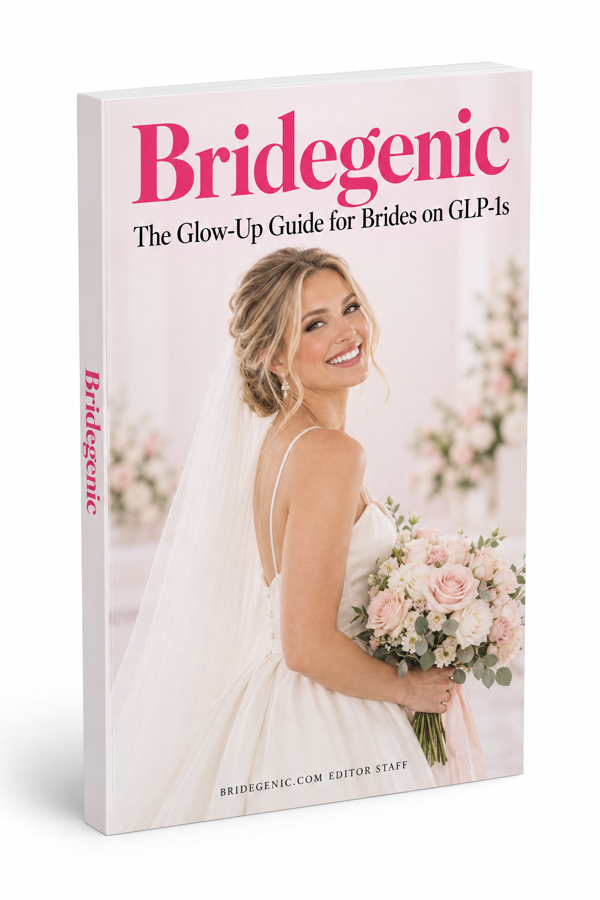
Physical Book (No Download)
Bridegenic: The Glow-Up Guide for Brides on GLP-1s
$12.95 + Free Shipping
Order NowThis article provides general education, not a diagnosis or an individual treatment plan. Medication information refers to US sources. Talk with your prescriber, pharmacist or dermatologist about decisions for your care.
Read next
Dress & FittingsWedding Jewelry and Skin Reactions: Nickel, Rings and Metal Labels→Dress & FittingsWedding Ring Fit: Measurements, Resizing and the Final Check→Sources
- Buying Platinum, Gold, and Silver JewelryFederal Trade Commission, November 2024↩ Back to text
- 16 CFR 23.3: Misrepresentation as to gold contentFTC Jewelry Guides, current eCFR checked October 27, 2026↩ Back to text
- 16 CFR 23.4: Misuse of the word vermeilFTC Jewelry Guides, current eCFR checked October 27, 2026↩ Back to text